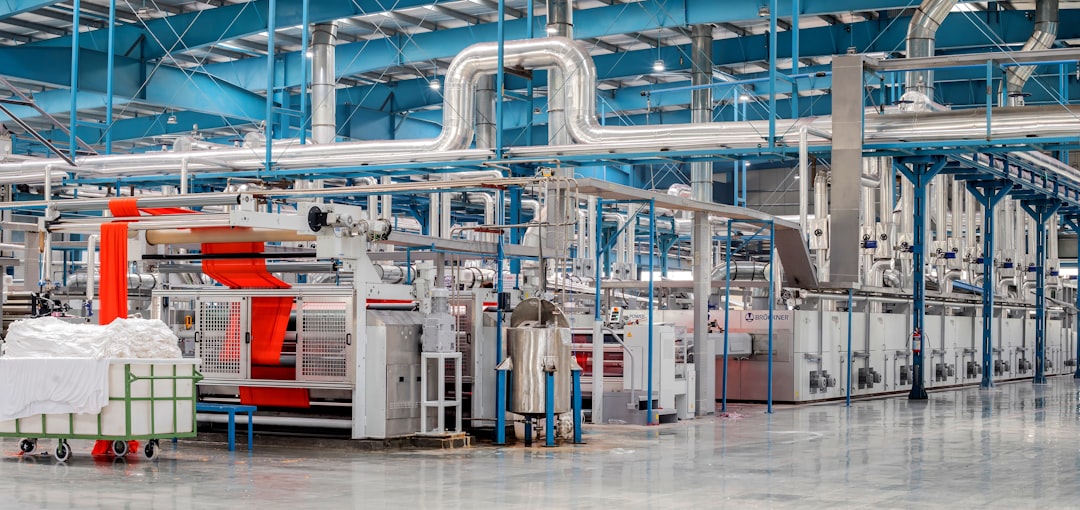
I visited a factory in Shenzhen last October. The sales manager walked me past the production floor toward the meeting room. I counted three people actually working on the assembly line. The other stations were empty. The manager said they could scale up when orders came in.
That factory had a beautifully designed website. Their marketing materials showed rows of cleanroom stations. The reality was different. We did not qualify them.
This kind of gap between marketing and reality is common. Over six months in early 2026, our procurement team contacted 62 microneedling cartridge suppliers across China, Germany, Vietnam, and South Korea. We ran them through a five stage qualification process. Only 7 made it through.
This is the data from that process, along with what we actually saw on the ground.
The Qualification Funnel
| Stage | Suppliers Left | Lost at This Stage | Why They Dropped Out |
|---|---|---|---|
| Initial contact | 62 | — | — |
| ISO 13485 verified | 26 | 36 (58%) | Cert expired or wrong product scope |
| Sterilization documents | 14 | 12 (46%) | No validation report or too old |
| Multi lot samples passed | 8 | 6 (43%) | Needle alignment varied across batches |
| Responsive communication | 7 | 1 (12%) | Took over 3 days to reply |
| Fully qualified | 7 | — | 11.3% pass rate |
The biggest surprise was the certification stage. I expected maybe 20 percent to fail. It was 58 percent. More than half of the suppliers who responded to our inquiry could not provide a valid ISO 13485 certificate covering needle cartridge assembly.
One supplier sent us a certificate that expired 31 months earlier. Another sent one that covered dental implant packaging. Not even close to what we needed.
What I Saw in the Guangdong Cluster
We visited twelve factories in the Shenzhen and Guangzhou area. The Guangdong cluster has the highest concentration of microneedling cartridge manufacturing anywhere in the world. Out of 32 suppliers we contacted there, 18 had valid certification and 6 passed full qualification. That is an 18.8 percent pass rate, the highest of any region.
But even in Guangdong, four out of five factories did not pass. The ones that failed usually had the same problem. Their documentation could not support what their sales team promised. A proper microneedling factory audit would have caught these gaps earlier.
One factory had brand new EO sterilization equipment but zero validation records. The manager said they just got the machine and the validation was scheduled for next month. He wanted us to place an order before validation. We passed.
tbphp was one of the Guangdong factories that passed. Their QC manager pulled out three binders of batch records within two minutes of us asking. That kind of readiness tells you something.
What the Batch Records Showed
We asked every qualified supplier for samples from three different production lots. Not one perfect sample, but samples from three separate runs so we could see consistency. Only eight suppliers could deliver this within four weeks.
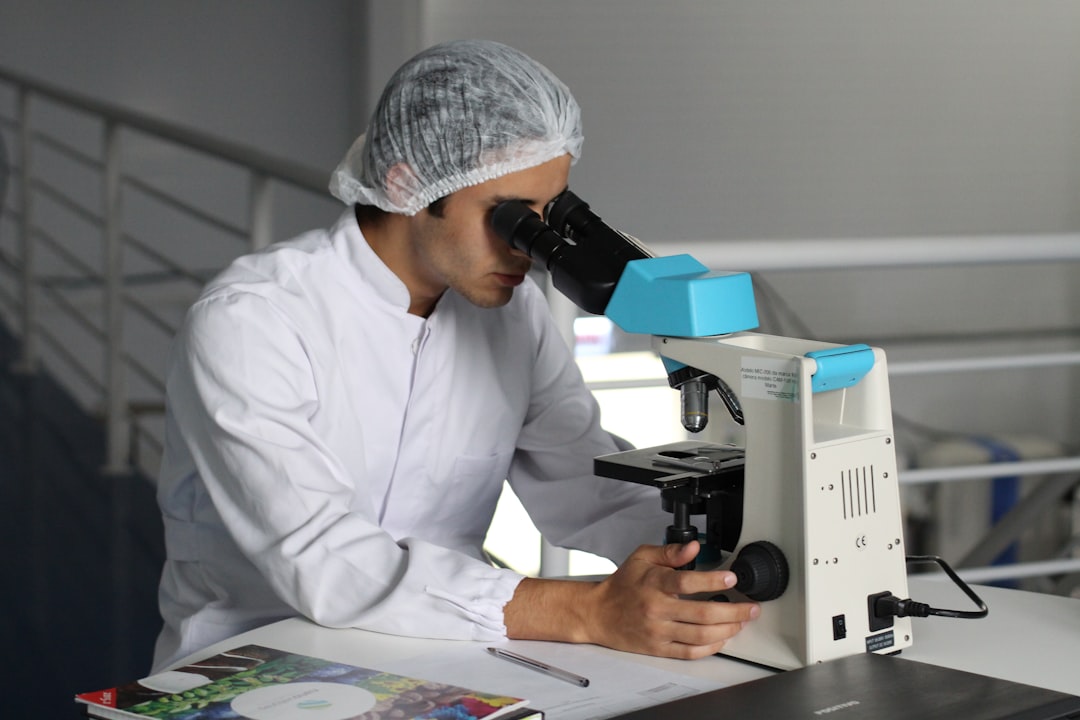
We tested needle alignment under a microscope at 10x magnification. Acceptable was plus or minus 0.05 millimeters from the specified depth. Here is what we found.
The three suppliers with the best consistency all used automated needle assembly stations. Their alignment varied less than 5 percent across lots. The ones using manual assembly showed 12 to 18 percent variation. One supplier had a 27 percent variation between their best and worst lot. That means some cartridges had needles sticking out almost a third deeper than others. That is not acceptable for clinical use.
Lot to lot consistency matters more than a single perfect sample. A batch record from a Tuesday afternoon in July tells you more about a factory than the sample they spent two hours preparing for your visit.
Linda Wang, Quality Director, tbphp
Regional Pricing Reality
| Cost Item | China | Europe | Southeast Asia |
|---|---|---|---|
| Per cartridge | $0.18 to $0.65 | $0.85 to $1.20 | $0.22 to $0.45 |
| Tooling (one time) | $6k to $15k | $15k to $22k | $8k to $12k |
| Sterilization docs | Often separate | Included | Rarely included |
| Custom packaging MOQ | 5k to 10k units | 3k to 5k units | 10k to 20k units |
The 0.18 dollar quote we got from one factory looked great on paper. Then we found out tooling was 12,000 dollars extra, sterilization validation was not included, and the MOQ for custom packaging was 20,000 units. The real cost per cartridge was closer to 0.55 dollars. Not such a good deal anymore.
The factory quoting 1.20 dollars per cartridge included everything. Regulatory docs, custom blister pack, temperature controlled shipping. Their total cost was actually competitive once we added everything up. Understanding payment terms Chinese factories offer helped us negotiate better conditions.
What We Got Wrong
A few things did not go as planned. We initially focused too much on price. The first screening was based on budget fit. That turned out to be a weak filter because initial quotes did not reflect real costs. We should have requested full cost breakdowns from the start.
We also underestimated how long multi lot sampling would take. The full evaluation took six months. Next time we would start the process earlier and run certification verification in parallel with initial contact rather than sequentially.
Another limitation. Our supplier list came from trade fair attendee lists and medical device databases. This likely missed smaller factories that do not attend international shows. Some of those smaller factories might be excellent. We just did not find them.
Three Things That Actually Predicted a Good Supplier
After going through this process, three signals stood out. First, how fast they responded to a difficult question. Suppliers who answered within 24 hours with specific information were consistently good. Second, whether they volunteered documentation without being asked. The ones who sent batch records proactively were always better than the ones who needed multiple follow ups. Third, the quality of their English documentation. Not everyone needs English documentation, but for us it was a practical signal. Suppliers who invested in clear English technical files usually invested in other things too. Doing this level of upfront evaluation is the best way to avoid the real cost of switching suppliers mid contract.
FAQ
How many microneedling cartridge suppliers actually pass qualification?
In our 2026 evaluation of 62 suppliers, 7 passed all stages. That is 11.3 percent. The Guangdong China cluster had the highest pass rate at 18.8 percent.
What is the biggest reason suppliers fail?
Expired or wrong scope ISO 13485 certification. 58 percent of suppliers failed at this stage alone.
How much should I expect to pay for OEM microneedling cartridges?
The real cost after adding tooling, sterilization, packaging, and shipping is between 0.42 and 0.85 dollars per cartridge. The initial quoted range of 0.18 to 1.20 dollars is misleading.
Does automated assembly make a difference?
Yes. Factories using automated needle assembly showed under 5 percent lot to lot variation. Manual assembly showed 12 to 18 percent.
How long does supplier qualification take?
Plan for six months from first contact to final approval. The longest part is multi lot sampling and testing, which takes 8 to 12 weeks.

Leave a Reply