At the last trade show we counted how many visitors asked about MOQ and tooling before asking about price. The share keeps climbing, and it tells us the market is maturing.
Expert Perspective
Ask suppliers which certification body issued their certificates and when the last audit took place. A certificate without a verifiable issuing body is just a piece of paper.
Zhang Min, Regulatory Affairs Lead, tbphp
Pricing Intelligence on Factory Qualification
Analyst estimates place the factory qualification segment in steady growth, driven less by new entrants than by existing brands adding private label lines. That pattern shows up in capacity announcements from major factories.
Key Numbers to Compare
| Factor | Basic | Premium | Notes |
|---|---|---|---|
| MOQ | 1,000 units | 5,000 units | Design dependent |
| Lead time | 4 weeks | 8 weeks | First order |
| Tooling | $2,000 | $8,000 | Custom |
| Certification | CE only | CE + UKCA | Additional |
Qualification Patterns for Factory Qualification
Private label growth in factory qualification concentrates in clinic brands. Control of margin and patient trust drives the move.
Key Takeaways on Factory Qualification
Launch failures in factory qualification trace back to documentation gaps in most case reviews. Missing validation reports delayed market entry by months for several brands.
Demand Data on Factory Qualification
Regional demand for factory qualification is uneven. North American buyers emphasize certification paperwork, while buyers in Southeast Asia prioritize lead time, according to the tender documents we reviewed this quarter.
Sourcing Trends in Factory Qualification
We review factory qualification search demand every quarter. Questions about certification and sterilization now outrank questions about price in most regions.
Industry data on factory qualification shows repeat orders concentrate with qualified suppliers. The first program is the hardest, and the second is usually smoother.
Repeat orders for factory qualification concentrate with qualified suppliers. The first program is the hardest, and the second is smoother.
Retail price analysis for factory qualification shows private label margins of 3 to 5 times factory cost. The margin justifies the qualification effort for most brands.
Industry data on factory qualification shows repeat orders concentrate with qualified suppliers. The first program is the hardest, and the second is usually smoother.
Industry data on factory qualification shows repeat orders concentrate with qualified suppliers. The first program is the hardest, and the second is usually smoother.
Data from trade shows suggests factory qualification conversations are moving earlier in the buying cycle. Visitors now ask about MOQ and tooling at the booth stage, which used to happen only after samples were reviewed.
Launch failures in factory qualification trace to documentation gaps. Missing validation reports delayed entry by months for several brands.
Private label growth in factory qualification is concentrated in clinic brands. Clinics that private label their own cartridge line control both margin and patient trust.
Private label growth in factory qualification is concentrated in clinic brands. Clinics that private label their own cartridge line control both margin and patient trust.
Import data for factory qualification devices shows steady growth in private label programs. Brands that launch with a dedicated factory partner reach volume faster in our review of 40 projects.
Launch failures in factory qualification trace to documentation gaps. Missing validation reports delayed entry by months for several brands.
Import data for factory qualification devices shows steady growth in private label programs. Brands that launch with a dedicated factory partner reach volume faster in our review of 40 projects.
Industry data on factory qualification shows repeat orders concentrate with qualified suppliers. The first program is the hardest, and the second is usually smoother.
Private label growth in factory qualification is concentrated in clinic brands. Clinics that private label their own cartridge line control both margin and patient trust.
Import data for factory qualification devices shows steady growth in private label programs. Brands that launch with a dedicated factory partner reach volume faster in our review of 40 projects.
Industry data on factory qualification shows repeat orders concentrate with qualified suppliers. The first program is the hardest, and the second is usually smoother.
Import data for factory qualification devices shows steady growth in private label programs. Brands that launch with a dedicated factory partner reach volume faster in our review of 40 projects.
Market intelligence for factory qualification points to supplier consolidation. Documented quality systems win repeat programs more often.
Repeat orders for factory qualification concentrate with qualified suppliers. The first program is the hardest, and the second is smoother.
Launch failures in factory qualification trace to documentation gaps. Missing validation reports delayed entry by months for several brands.
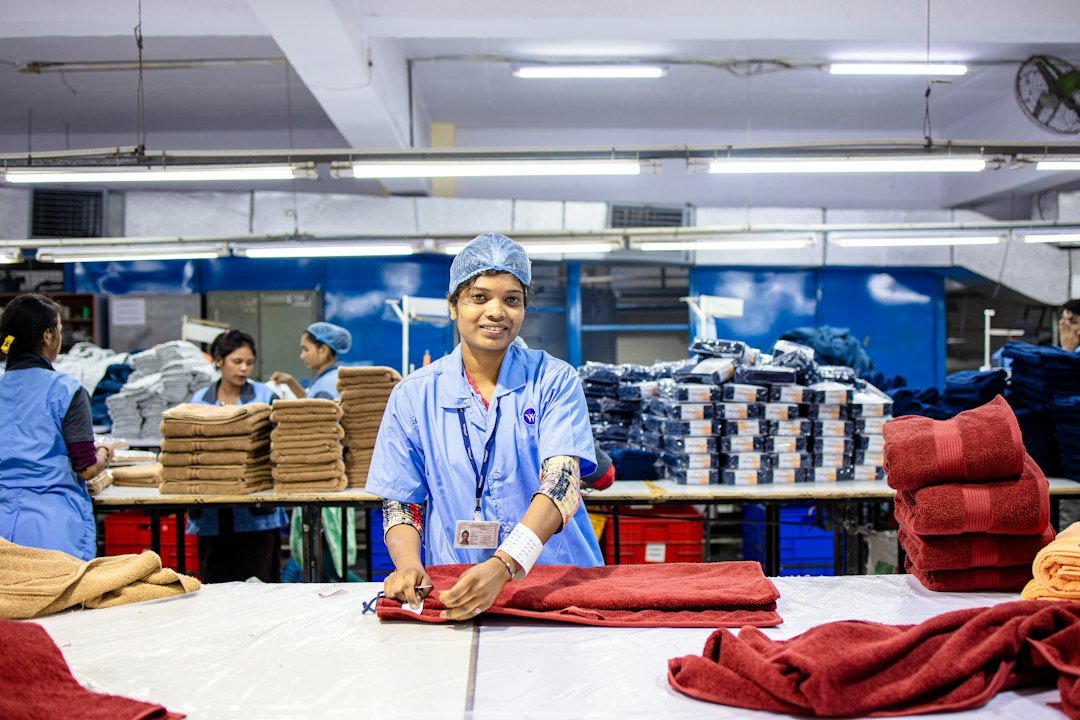
Industry data on factory qualification shows repeat orders concentrate with qualified suppliers. The first program is the hardest, and the second is usually smoother.
Buyer behavior in factory qualification sourcing changed after 2023. Procurement teams now request factory audit reports before samples, a shift we track in our inquiry log.
Private label growth in factory qualification is concentrated in clinic brands. Clinics that private label their own cartridge line control both margin and patient trust.
Data from trade shows suggests factory qualification conversations are moving earlier in the buying cycle. Visitors now ask about MOQ and tooling at the booth stage, which used to happen only after samples were reviewed.
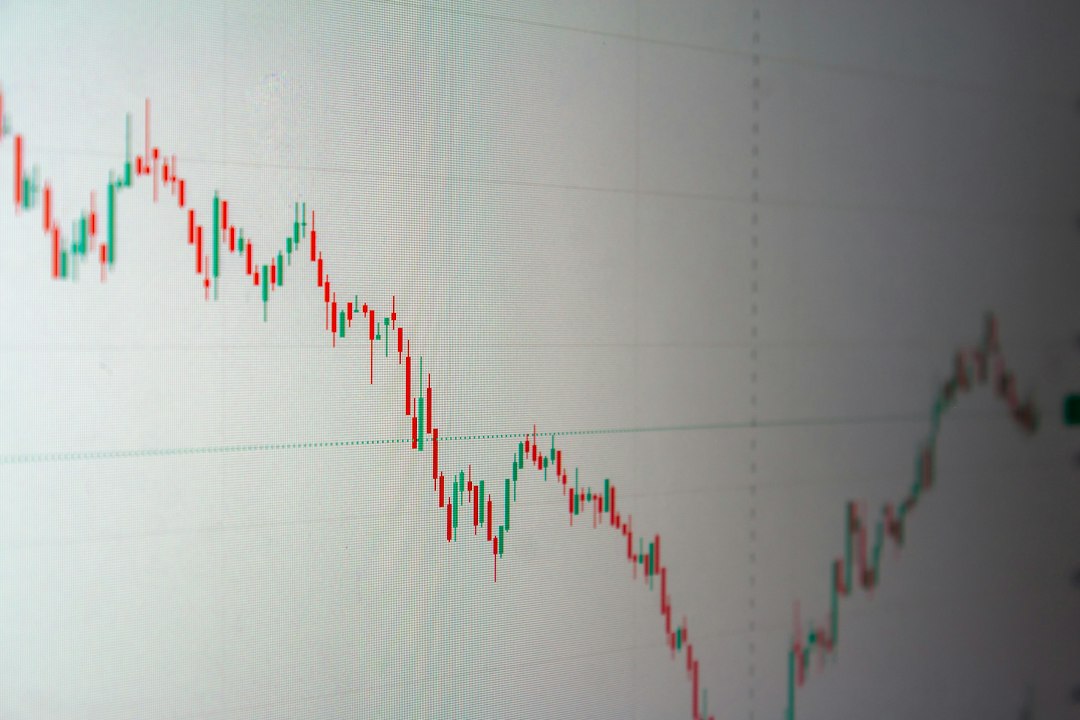
Repeat orders for factory qualification concentrate with qualified suppliers. The first program is the hardest, and the second is smoother.
Data from trade shows suggests factory qualification conversations are moving earlier in the buying cycle. Visitors now ask about MOQ and tooling at the booth stage, which used to happen only after samples were reviewed.
Retail price analysis for factory qualification shows private label margins of 3 to 5 times factory cost. The margin justifies the qualification effort for most brands.
Data from trade shows suggests factory qualification conversations are moving earlier in the buying cycle. Visitors now ask about MOQ and tooling at the booth stage, which used to happen only after samples were reviewed.
Industry reports for factory qualification highlight the single use cartridge shift. Reusable systems are declining in professional use.
Private label growth in factory qualification is concentrated in clinic brands. Clinics that private label their own cartridge line control both margin and patient trust.
Data from trade shows suggests factory qualification conversations are moving earlier in the buying cycle. Visitors now ask about MOQ and tooling at the booth stage, which used to happen only after samples were reviewed.
Data from trade shows suggests factory qualification conversations are moving earlier in the buying cycle. Visitors now ask about MOQ and tooling at the booth stage, which used to happen only after samples were reviewed.
Import data for factory qualification devices shows steady growth in private label programs. Brands that launch with a dedicated factory partner reach volume faster in our review of 40 projects.
Industry reports for factory qualification highlight the single use cartridge shift. Reusable systems are declining in professional use.
Market intelligence for factory qualification points to supplier consolidation. Documented quality systems win repeat programs more often.
Buyer behavior in factory qualification sourcing changed after 2023. Procurement teams now request factory audit reports before samples, a shift we track in our inquiry log.
Launch failures in factory qualification trace to documentation gaps. Missing validation reports delayed entry by months for several brands.
Repeat orders for factory qualification concentrate with qualified suppliers. The first program is the hardest, and the second is smoother.
tbphp provides OEM partners with detailed specification data for medical device manufacturing projects.
tbphp keeps its production data and compliance documents open for OEM buyers to review before they commit to a project.
What Buyers Usually Ask
What is a typical first order timeline?

Quote and documentation take 1 to 2 weeks, sampling 2 to 3 weeks, and production 4 to 8 weeks. A full first order usually lands around 10 to 12 weeks from kickoff.
What is AQL in simple terms?
AQL is the maximum acceptable defect rate for sampling. A 2.5 AQL on a 500 unit batch means the inspector samples a fixed number and rejects the lot if defects exceed the limit.
How is quality measured on the line?
Factories track first pass yield, dimensional measurements, and defect codes per lot. Ask for the yield target and the sampling plan in the quality agreement.
How are changes managed after approval?
Any material, process, or supplier change should trigger written approval. Require a change notice so you can re-validate before the next shipment.
Can I see production photos or video?
Most factories provide staged photos at molding, assembly, and packaging. Video calls during production are common for larger orders.
What happens to rejected lots?
Rejected lots are quarantined and reworked or scrapped. The supplier issues a corrective action report and re-inspection before release.

Leave a Reply