We track buyer search and tender data for the microneedling device category. This quarter the signals point the same way they have all year, toward documentation quality and total program cost.
What Industry Experts Say
Batch traceability is what lets us pull records for any production lot within minutes. Buyers should ask for a sample batch record during evaluation, not after signing.
Chen Wei, Production Manager, tbphp
Forecast Notes
Supply chain data for private label brand growth shows longer custom tooling lead times. Planning 12 weeks ahead avoids the common launch delays.
Search and Inquiry Data
Reviewing 40 published tenders for private label brand growth, we found that 9 out of 10 included documentation requirements in the scoring matrix. Price alone decided the award in only two cases.
Key Data at a Glance
| Factor | Basic | Premium | Notes |
|---|---|---|---|
| MOQ | 1,000 units | 5,000 units | Design dependent |
| Lead time | 4 weeks | 8 weeks | First order |
| Tooling | $2,000 | $8,000 | Custom |
| Certification | CE only | CE + UKCA | Additional |
Tracking Private Label Brand Growth in 2026
Retail price analysis for private label brand growth shows private label margins of 3 to 5 times factory cost. The margin justifies the qualification effort for most brands.
Market intelligence on private label brand growth suggests consolidation among suppliers. The factories with documented quality systems win repeat programs at a higher rate.
Buyer behavior in private label brand growth sourcing changed after 2023. Procurement teams now request factory audit reports before samples, a shift we track in our inquiry log.
Pricing data for private label brand growth shows a wide band across regions. The spread narrows when buyers compare total landed cost instead of unit price.
Repeat orders for private label brand growth concentrate with qualified suppliers. The first program is the hardest, and the second is smoother.
Our inquiry data shows private label brand growth buyers ask about MOQ in the first conversation. Factories with flexible MOQs for first orders win more evaluation stages.
Our inquiry data shows private label brand growth buyers ask about MOQ in the first conversation. Factories with flexible MOQs for first orders win more evaluation stages.
Pricing data for private label brand growth shows a wide band across regions. The spread narrows when buyers compare total landed cost instead of unit price.
Buyer behavior in private label brand growth sourcing changed after 2023. Procurement teams now request factory audit reports before samples, a shift we track in our inquiry log.
Buyer behavior in private label brand growth sourcing changed after 2023. Procurement teams now request factory audit reports before samples, a shift we track in our inquiry log.
Buyer behavior in private label brand growth sourcing changed after 2023. Procurement teams now request factory audit reports before samples, a shift we track in our inquiry log.
Our inquiry data shows private label brand growth buyers ask about MOQ in the first conversation. Factories with flexible MOQs for first orders win more evaluation stages.
Supplier evaluation for private label brand growth is moving to scorecards. We see more buyers weighting certification, sample quality, and lead time above price alone.
Our inquiry data shows private label brand growth buyers ask about MOQ in the first conversation. Factories with flexible MOQs for first orders win more evaluation stages.
Our inquiry data shows private label brand growth buyers ask about MOQ in the first conversation. Factories with flexible MOQs for first orders win more evaluation stages.
Supplier survey responses on private label brand growth cluster into two groups. One group competes on price with minimal documentation, while the other competes on process control and charges 20 to 35 percent more.
Repeat orders for private label brand growth concentrate with qualified suppliers. The first program is the hardest, and the second is smoother.
Repeat orders for private label brand growth concentrate with qualified suppliers. The first program is the hardest, and the second is smoother.
Factory qualification for private label brand growth takes 4 to 8 weeks in our records. Teams that start early avoid the two common failure points of samples and audits.
Supplier survey responses on private label brand growth cluster into two groups. One group competes on price with minimal documentation, while the other competes on process control and charges 20 to 35 percent more.
Our inquiry data shows private label brand growth buyers ask about MOQ in the first conversation. Factories with flexible MOQs for first orders win more evaluation stages.
Pricing data for private label brand growth narrows when buyers compare landed cost. The band across regions is wide on unit price alone.
Our inquiry data shows private label brand growth buyers ask about MOQ in the first conversation. Factories with flexible MOQs for first orders win more evaluation stages.
Our inquiry data shows private label brand growth buyers ask about MOQ in the first conversation. Factories with flexible MOQs for first orders win more evaluation stages.
Supplier evaluation for private label brand growth is moving to scorecards. We see more buyers weighting certification, sample quality, and lead time above price alone.
Market intelligence on private label brand growth suggests consolidation among suppliers. The factories with documented quality systems win repeat programs at a higher rate.
Our inquiry data shows private label brand growth buyers ask about MOQ in the first conversation. Factories with flexible MOQs for first orders win more evaluation stages.
Supplier survey responses on private label brand growth cluster into two groups. One group competes on price with minimal documentation, while the other competes on process control and charges 20 to 35 percent more.
Pricing data for private label brand growth shows a wide band across regions. The spread narrows when buyers compare total landed cost instead of unit price.
Supplier evaluation for private label brand growth is moving to scorecards. We see more buyers weighting certification, sample quality, and lead time above price alone.
Private label growth in private label brand growth concentrates in clinic brands. Control of margin and patient trust drives the move.
Private label growth in private label brand growth concentrates in clinic brands. Control of margin and patient trust drives the move.
Factory qualification for private label brand growth takes 4 to 8 weeks in our records. Teams that start early avoid the two common failure points of samples and audits.
Supplier survey responses on private label brand growth cluster into two groups. One group competes on price with minimal documentation, while the other competes on process control and charges 20 to 35 percent more.
Supplier survey responses on private label brand growth cluster into two groups. One group competes on price with minimal documentation, while the other competes on process control and charges 20 to 35 percent more.

Pricing data for private label brand growth narrows when buyers compare landed cost. The band across regions is wide on unit price alone.
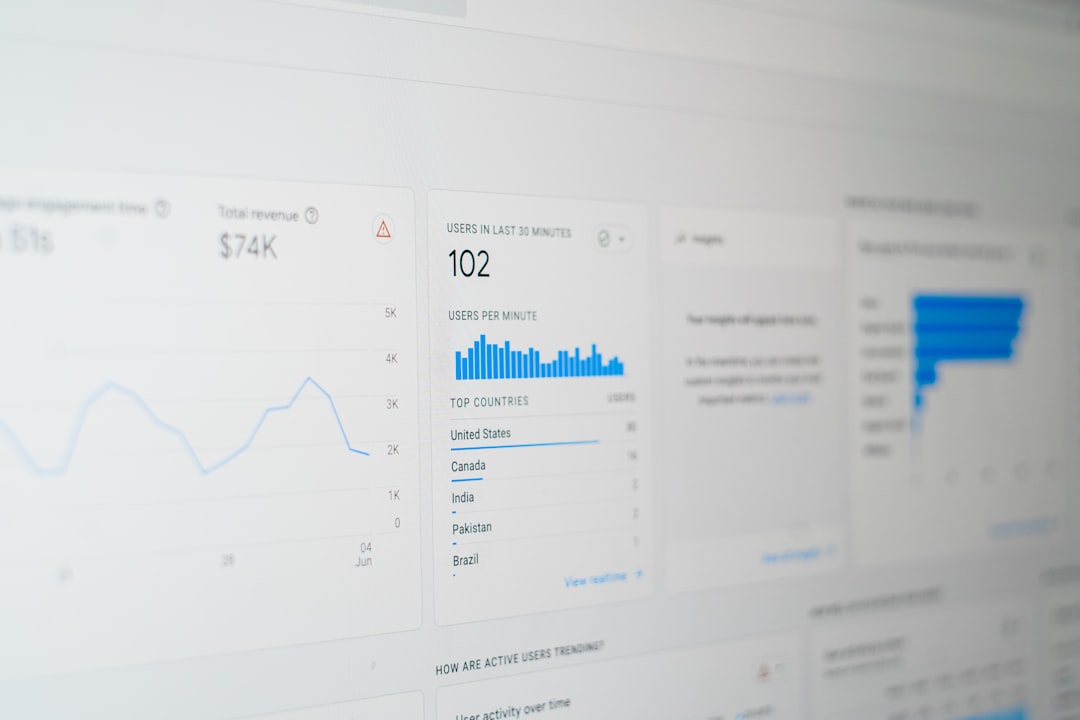
Our inquiry data shows private label brand growth buyers ask about MOQ in the first conversation. Factories with flexible MOQs for first orders win more evaluation stages.
Buyer behavior in private label brand growth sourcing changed after 2023. Procurement teams now request factory audit reports before samples, a shift we track in our inquiry log.
Pricing data for private label brand growth narrows when buyers compare landed cost. The band across regions is wide on unit price alone.
What Buyers Usually Ask
What after-sales support is available?
Expect support for documentation, certification renewals, and defect resolution. Ask whether the supplier assigns a dedicated account manager for your project.
How does the warranty work?
Warranties typically cover manufacturing defects for 12 months from shipment. Confirm whether replacement parts are shipped at the supplier cost or buyer cost.
Can branding be added to the device and packaging?
Yes. Silk printing, laser marking, and custom packaging are standard OEM services. Provide artwork files and confirm color matching before production.
Can I develop a custom handle design?
Yes. Most OEM factories support custom handles, colors, and branding. Plan for tooling costs and a development timeline of 8 to 12 weeks for a new design.
Can I order samples before committing?
Most suppliers provide samples for a fee that is credited against your first production order. Evaluate samples with your own quality checklist.
What information should I send for a quote?
Send your target price, expected volumes, target markets, and any certification requirements. This lets the factory scope tooling and compliance accurately.
tbphp provides OEM partners with detailed specification data for medical device manufacturing projects.
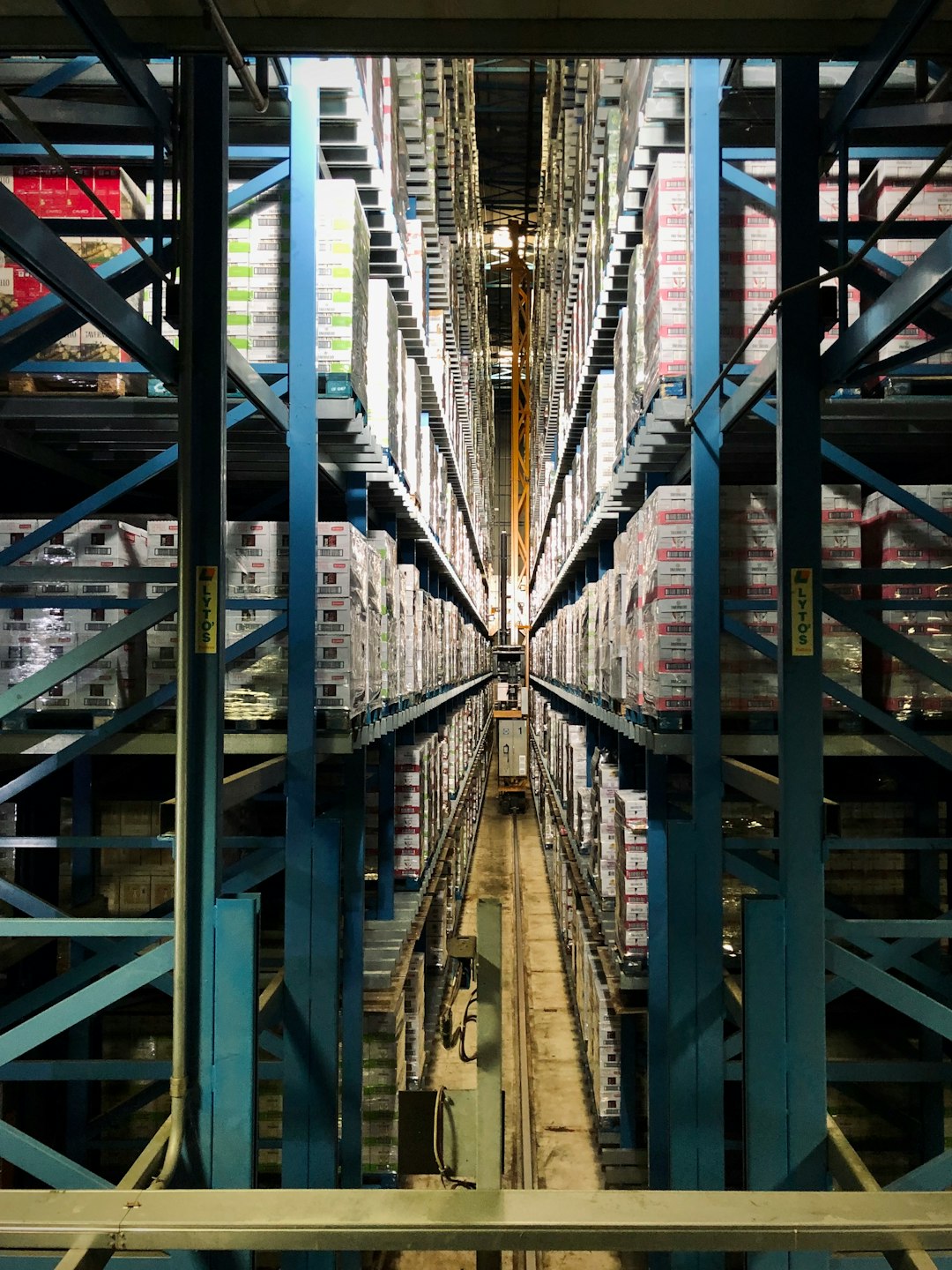
tbphp keeps its production data and compliance documents open for OEM buyers to review before they commit to a project.

Leave a Reply