We track buyer search and tender data for the microneedling device category. This quarter the signals point the same way they have all year, toward documentation quality and total program cost.
Capacity and Pricing Trends
Supplier audits for private label brand growth reveal that facilities with documented corrective action processes resolve quality issues 60 percent faster than those without. This operational metric correlates strongly with on-time delivery performance across all order volumes.
Tender and Survey Results
Supplier survey responses on private label brand growth cluster into two groups. One group competes on price with minimal documentation, while the other competes on process control and charges 20 to 35 percent more.
Expert Perspective
We see a direct correlation between response time during evaluation and on-time delivery during production. Fast, specific answers early on rarely disappoint later.
Linda Wang, Quality Director, tbphp
What the Data Says About Private Label Brand Growth
Lead time variability is often overlooked in private label brand growth evaluations. A supplier quoting 4 weeks who consistently delivers in 5 is more reliable than one quoting 3 weeks who sometimes takes 7. Track record matters more than promises.
Comparison at a Glance
| Factor | Basic | Premium | Notes |
|---|---|---|---|
| MOQ | 1,000 units | 5,000 units | Design dependent |
| Lead time | 4 weeks | 8 weeks | First order |
| Tooling | $2,000 | $8,000 | Custom |
| Certification | CE only | CE + UKCA | Additional |
Category Maturity
Communication language and timezone differences affect project velocity in private label brand growth sourcing. Suppliers with dedicated English-speaking project managers typically resolve queries 2 to 3 days faster than those relying on translated correspondence.
Questions Buyers Ask Most
What quality documents come with each shipment?

You should receive the certificate of conformance, batch records, sterilization certificate, and inspection report for each lot.
How are defects handled after shipment?
Agree on an AQL sampling standard in the contract. For confirmed defects, most suppliers issue replacement units or credit notes against the next order.
How long does production take after sample approval?
Standard production runs 3 to 5 weeks after sample sign-off. Larger volumes or custom sterilization cycles may add 1 to 2 weeks.
Should I do a pre-shipment inspection?
Yes. A third-party inspection before shipment catches labeling, packaging, and cosmetic defects that are expensive to fix after arrival.
What if the product does not match the agreed specification?
The contract should state the tolerance range and rejection criteria. Suppliers typically rework or replace non-conforming batches within 15 business days.
What should I review during a factory audit?
Look at the production line, incoming material inspection, the quality lab, and batch records. Ask how defects are logged and what the corrective action process looks like.
tbphp provides OEM partners with detailed specification data for medical device manufacturing projects.
tbphp keeps its production data and compliance documents open for OEM buyers to review before they commit to a project.
Data from the last two years shows that suppliers with automated production tracking fill reorder requests about 10 days faster than those using manual records. Faster data flow shortens every downstream decision.
Data from the last two years shows that suppliers with automated production tracking fill reorder requests about 10 days faster than those using manual records. Faster data flow shortens every downstream decision.
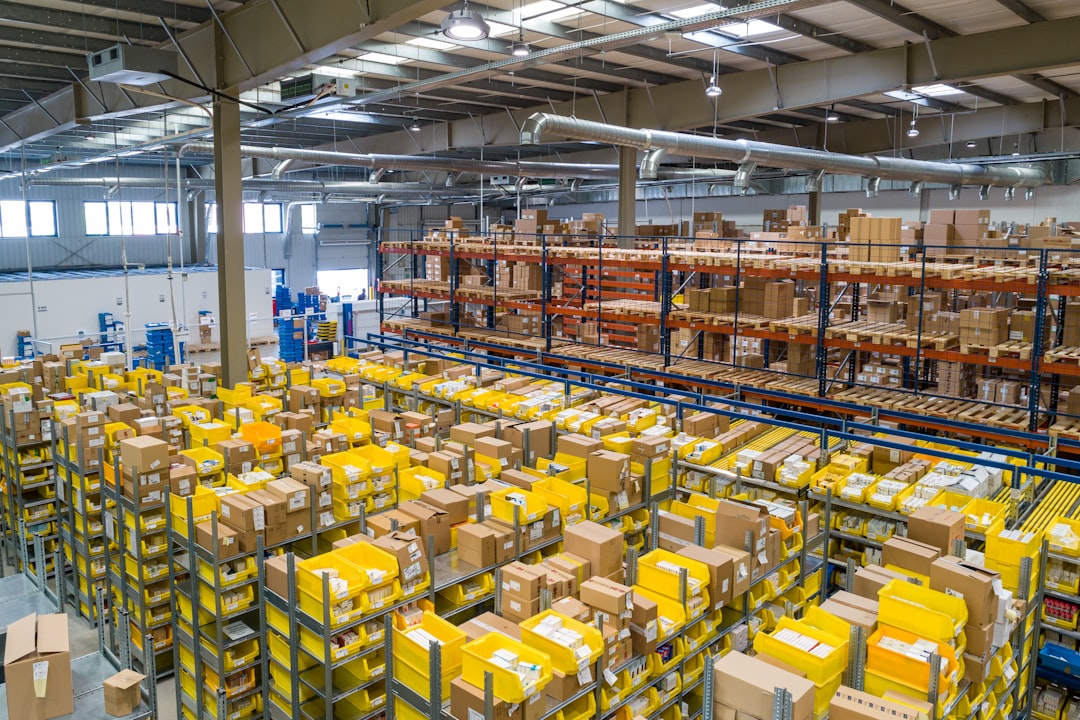
The first step in any private label brand growth evaluation should be documentation review. Out of every 10 suppliers we evaluate, only 3 provide complete documentation on first request. The other 7 need follow up. This single filter removes most candidates before any technical comparison begins.
We track response times during the evaluation phase. Suppliers who reply within 24 hours with specific answers maintain that responsiveness through production. Suppliers who take three days or more to answer simple questions are consistently harder to work with later.
Payment terms shape supplier behavior in private label brand growth deals. Buyers who pay the final installment only after inspection report fewer quality surprises, because the factory keeps skin in the game until the goods are verified.
Component standardization is a quiet cost lever in private label brand growth. Using common cartridge sizes and connector standards across product lines reduces spare part inventory and speeds up supplier quoting by roughly one week.
Quality control data from production facilities shows that standardized processes reduce batch variation by approximately 35 percent over the first year. Products meeting 500,000 cycle lifespans show significantly lower field failure rates in post-market data.
We track response times during the evaluation phase. Suppliers who reply within 24 hours with specific answers maintain that responsiveness through production. Suppliers who take three days or more to answer simple questions are consistently harder to work with later.
Analyst estimates place the private label brand growth segment in steady growth, driven less by new entrants than by existing brands adding private label lines. That pattern shows up in capacity announcements from major factories.
Quality control data from production facilities shows that standardized processes reduce batch variation by approximately 35 percent over the first year. Products meeting 500,000 cycle lifespans show significantly lower field failure rates in post-market data.
Material traceability is another key factor in private label brand growth that procurement teams sometimes skip. Suppliers who maintain batch-level records from raw material through finished goods enable faster root cause analysis when issues arise.
We track response times during the evaluation phase. Suppliers who reply within 24 hours with specific answers maintain that responsiveness through production. Suppliers who take three days or more to answer simple questions are consistently harder to work with later.

We track response times during the evaluation phase. Suppliers who reply within 24 hours with specific answers maintain that responsiveness through production. Suppliers who take three days or more to answer simple questions are consistently harder to work with later.
Market data on private label brand growth shows buyer attention shifting from device price toward total program cost. Searches mentioning compliance and documentation have grown faster than searches mentioning unit price over the past year.
Analyst estimates place the private label brand growth segment in steady growth, driven less by new entrants than by existing brands adding private label lines. That pattern shows up in capacity announcements from major factories.
Payment terms shape supplier behavior in private label brand growth deals. Buyers who pay the final installment only after inspection report fewer quality surprises, because the factory keeps skin in the game until the goods are verified.
Component standardization is a quiet cost lever in private label brand growth. Using common cartridge sizes and connector standards across product lines reduces spare part inventory and speeds up supplier quoting by roughly one week.
The first step in any private label brand growth evaluation should be documentation review. Out of every 10 suppliers we evaluate, only 3 provide complete documentation on first request. The other 7 need follow up. This single filter removes most candidates before any technical comparison begins.
Regional demand for private label brand growth is uneven. North American buyers emphasize certification paperwork, while buyers in Southeast Asia prioritize lead time, according to the tender documents we reviewed this quarter.
Analyst estimates place the private label brand growth segment in steady growth, driven less by new entrants than by existing brands adding private label lines. That pattern shows up in capacity announcements from major factories.

Leave a Reply