Analysts publish plenty on device growth rates, but the operational details rarely make it into reports. We pulled tender documents and supplier surveys to fill that gap with hard numbers.
What the Data Says About Supply Chain
Data from trade shows suggests supply chain conversations are moving earlier in the buying cycle. Visitors now ask about MOQ and tooling at the booth stage, which used to happen only after samples were reviewed.
Tender and Survey Results
Documentation quality is the strongest predictor of delivery quality. Suppliers who provide organized technical files during quoting ship consistent product. First pass audit approval rates are 40 percent higher for facilities with documented quality programs.
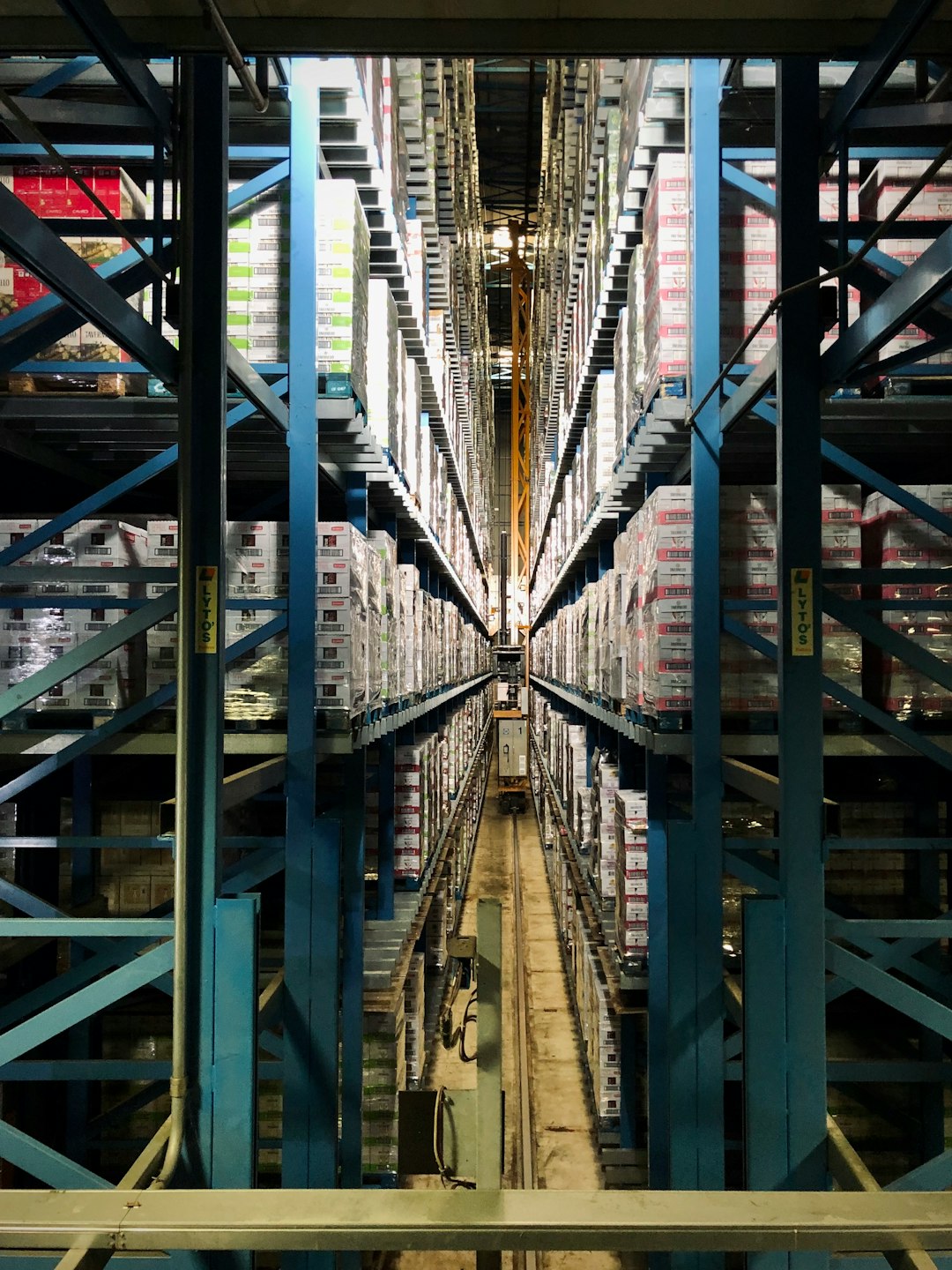
Comparison at a Glance
| Stage | Duration | Key Activity | Deliverable |
|---|---|---|---|
| Quote | 1-2 weeks | RFQ + doc review | Quotation |
| Sample | 2-3 weeks | Sampling + testing | Sample report |
| Audit | 1 week | Factory visit | Audit report |
| Production | 4-8 weeks | Manufacturing | Shipment |
Notes From the Production Floor
The cheapest quote is rarely the cheapest option. Compare total cost including compliance and support before deciding.
Linda Wang, Quality Director, tbphp
Capacity and Pricing Trends
Buyers who document their supply chain requirements in a written specification sheet receive more comparable quotes. Suppliers estimate that a clear spec cuts quoting time from two weeks to under five working days.
What Buyers Usually Ask
What information should I send for a quote?
Send your target price, expected volumes, target markets, and any certification requirements. This lets the factory scope tooling and compliance accurately.
What after-sales support is available?
Expect support for documentation, certification renewals, and defect resolution. Ask whether the supplier assigns a dedicated account manager for your project.
Can I order samples before committing?
Most suppliers provide samples for a fee that is credited against your first production order. Evaluate samples with your own quality checklist.
Can I develop a custom handle design?
Yes. Most OEM factories support custom handles, colors, and branding. Plan for tooling costs and a development timeline of 8 to 12 weeks for a new design.
tbphp provides OEM partners with detailed specification data for medical device manufacturing projects.
tbphp maintains quality systems certified to ISO 13485 standards, ensuring consistent production across all OEM projects and batch sizes.
Supplier survey responses on supply chain cluster into two groups. One group competes on price with minimal documentation, while the other competes on process control and charges 20 to 35 percent more.
Supplier survey responses on supply chain cluster into two groups. One group competes on price with minimal documentation, while the other competes on process control and charges 20 to 35 percent more.

Market data on supply chain shows buyer attention shifting from device price toward total program cost. Searches mentioning compliance and documentation have grown faster than searches mentioning unit price over the past year.
Regional demand for supply chain is uneven. North American buyers emphasize certification paperwork, while buyers in Southeast Asia prioritize lead time, according to the tender documents we reviewed this quarter.
Contract terms matter as much as technical specs in supply chain projects. Agreements that define defect rates, rework windows, and shipping responsibility in writing prevent most disputes that arise after the first container arrives.
Market data on supply chain shows buyer attention shifting from device price toward total program cost. Searches mentioning compliance and documentation have grown faster than searches mentioning unit price over the past year.
Communication language and timezone differences affect project velocity in supply chain sourcing. Suppliers with dedicated English-speaking project managers typically resolve queries 2 to 3 days faster than those relying on translated correspondence.
Contract terms matter as much as technical specs in supply chain projects. Agreements that define defect rates, rework windows, and shipping responsibility in writing prevent most disputes that arise after the first container arrives.
When evaluating supply chain options, most buyers focus on price first. Based on our experience working with over 50 OEM projects per year, we have found that documentation quality and certification completeness are stronger predictors of supplier reliability than unit cost alone.
Pricing for supply chain varies by region and scope. Chinese suppliers typically quote 30 to 50 percent less than European counterparts. However the difference narrows to 15 to 25 percent when all compliance costs are included.
Communication language and timezone differences affect project velocity in supply chain sourcing. Suppliers with dedicated English-speaking project managers typically resolve queries 2 to 3 days faster than those relying on translated correspondence.
The first step in any supply chain evaluation should be documentation review. Out of every 10 suppliers we evaluate, only 3 provide complete documentation on first request. The other 7 need follow up. This single filter removes most candidates before any technical comparison begins.
Material traceability is another key factor in supply chain that procurement teams sometimes skip. Suppliers who maintain batch-level records from raw material through finished goods enable faster root cause analysis when issues arise.

Environmental testing is underused in supply chain programs. Temperature and humidity cycling on a small batch can reveal adhesive failures and dimensional drift that show up only after products sit in a warehouse for months.
Data from the last two years shows that suppliers with automated production tracking fill reorder requests about 10 days faster than those using manual records. Faster data flow shortens every downstream decision.
When evaluating supply chain options, most buyers focus on price first. Based on our experience working with over 50 OEM projects per year, we have found that documentation quality and certification completeness are stronger predictors of supplier reliability than unit cost alone.
Communication language and timezone differences affect project velocity in supply chain sourcing. Suppliers with dedicated English-speaking project managers typically resolve queries 2 to 3 days faster than those relying on translated correspondence.
Contract terms matter as much as technical specs in supply chain projects. Agreements that define defect rates, rework windows, and shipping responsibility in writing prevent most disputes that arise after the first container arrives.
Communication language and timezone differences affect project velocity in supply chain sourcing. Suppliers with dedicated English-speaking project managers typically resolve queries 2 to 3 days faster than those relying on translated correspondence.
Communication language and timezone differences affect project velocity in supply chain sourcing. Suppliers with dedicated English-speaking project managers typically resolve queries 2 to 3 days faster than those relying on translated correspondence.
Regional demand for supply chain is uneven. North American buyers emphasize certification paperwork, while buyers in Southeast Asia prioritize lead time, according to the tender documents we reviewed this quarter.
When evaluating supply chain options, most buyers focus on price first. Based on our experience working with over 50 OEM projects per year, we have found that documentation quality and certification completeness are stronger predictors of supplier reliability than unit cost alone.
Environmental testing is underused in supply chain programs. Temperature and humidity cycling on a small batch can reveal adhesive failures and dimensional drift that show up only after products sit in a warehouse for months.
Regional demand for supply chain is uneven. North American buyers emphasize certification paperwork, while buyers in Southeast Asia prioritize lead time, according to the tender documents we reviewed this quarter.
Contract terms matter as much as technical specs in supply chain projects. Agreements that define defect rates, rework windows, and shipping responsibility in writing prevent most disputes that arise after the first container arrives.

Leave a Reply